Making Fabric Color from Damaged Blooms
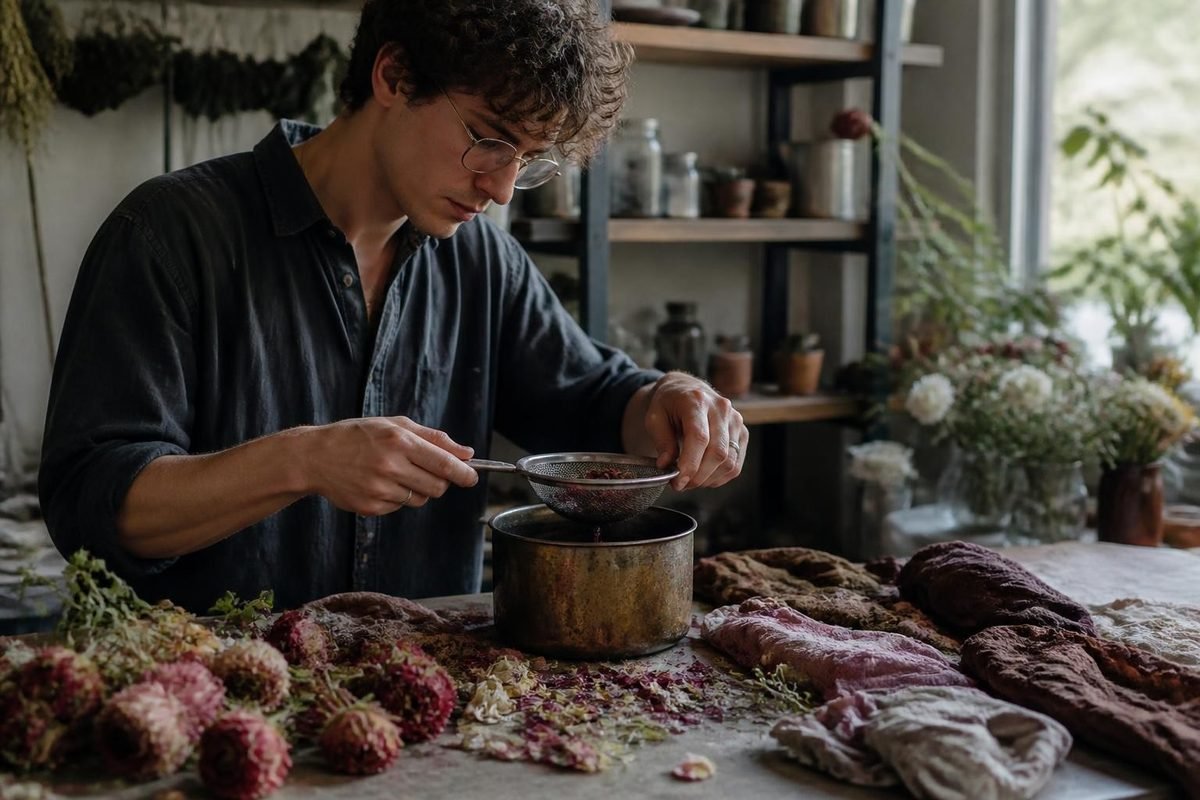
Florists can use bruised or broken flowers to make natural dye by gently simmering the usable petals in water, straining the liquid, and trying it on fabric. The color varies with the flower, the fabric fiber, and the method, so begin with small tests rather than a large batch.
Choose and sort the blooms
Put aside flowers that would not work in an arrangement because their petals are bruised, their stems are broken, or they have other damage. If you want to learn what the petals alone can do, remove the leaves and stems before dyeing. Keep different flower types in separate piles; that way, you can tell which bloom made a particular shade.
Use plant material that is still fresh enough to handle easily, and throw away anything moldy or rotting. Do not use flowers that may have been treated with pesticides or other chemicals you cannot identify, especially if the finished fabric could touch skin regularly.
The color of a petal offers a hint, but it does not predict the dye exactly. Some pigments move into water readily, while others leave only a light color that may not last. A richly red bloom, for example, is not guaranteed to turn fabric red.
Prepare a test bath
Use a pot kept for dye projects, not food preparation. Add the petals and enough water to cover them, warm the pot gently, and simmer the mixture for around 30 minutes. Allow the liquid to cool before straining it. A fine strainer or a piece of cloth will catch tiny bits that could otherwise stick to the fabric and leave uneven spots.
Begin with a small amount of cloth, and write down how much water and plant material went into the pot. Those notes give you a starting point if you want to repeat the result. A dark-looking bath does not always make a darker fabric, but trying a larger quantity of petals can help you compare outcomes.
Wash and color the fabric
Wash fabric before dyeing to remove dirt and finishes that may get in the way of color absorption. Wool and silk can respond differently from cotton and linen, so test each type of fiber on its own. Small scraps are handy for these trials, much like keeping a swatch beside the dye pot.
A mordant is a substance that can help natural dye bind to a fiber. Alum is often used, but the right method and amount depend on the fabric. Follow a dependable recipe for the specific material instead of guessing at a dose.
Wet the fabric, lower it into the strained dye, and heat the bath gently. Move the cloth from time to time so the liquid reaches it evenly. Let the fabric cool while still in the bath, then rinse it and leave it to dry. Keep cooking pots and utensils separate from equipment used for dyeing.
Check how the shade holds
Flower dyes may shift or fade because of washing, sunlight, or changes in acidity. Before using a dyed piece for ribbon, wrapping, or display, test a scrap first:
- Rinse the scrap and observe how much color washes out.
- Leave one section in daylight and cover another, then compare the two.
- Write down the flower, fiber, preparation, and result so you can refer to them later.
A few small trials show which damaged flowers can provide useful color and which results are worth trying again.
Worth a look: sending flowers home to family